Link Copied!
A. S. Neill Quotes (1883-1973)
Author, Activist


About A. S. Neill
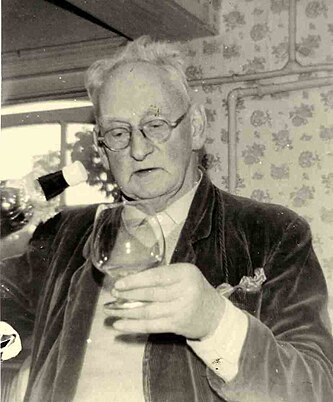
Alexander Sutherland Neill (17 October 1883 – 23 September 1973), known as A. S. Neill, was a Scottish educator and author known for his school, Summerhill School, and its philosophies of community self-governance as well as freedom from adult coercion. He wrote 20 books in his lifetime, and his best seller was the 1960 Summerhill, a compilation of four previous books about his school. The book was a common ancestor to activists in the 60s free school movement.
Best A. S. Neill Quotes
Shortest
Earliest
Explore our curated collection of the most famous and impactful A. S. Neill quotes.

“My own criterion of success is the ability to work joyfully and to live positively.”
“A child is innately wise and realistic. If left to himself without adult suggestion of any kind, he will develop as far as he is capable of developing.”

“You cannot make children learn music or anything else without to some degree converting them into will-less adults. You fashion them into accepters of the status quo – a good thing for a society that needs obedient sitters at dreary desks, standers in shops, mechanical catchers of the 8:30 suburban train – a society, in short, that is carried on the shabby shoulders of the scared little man – the scared-to-death conformist.”
A. S. Neill Quotes by Topic
Find exactly what you are looking for by browsing this categorized list of A. S. Neill quotes by topic.
A. S. Neill on Children
“A child is innately wise and realistic. If left to himself without adult suggestion of any kind, he will develop as far as he is capable of developing.”
A. S. Neill on Teachers


About A. S. Neill
Alexander Sutherland Neill (17 October 1883 – 23 September 1973), known as A. S. Neill, was a Scottish educator and author known for his school, Summerhill School, and its philosophies of community self-governance as well as freedom from adult coercion. He wrote 20 books in his lifetime, and his best seller was the 1960 Summerhill, a compilation of four previous books about his school. The book was a common ancestor to activists in the 60s free school movement.