A. J. P. Taylor, review of Carlyle: An Anthology, ed. G. M. Trevelyan in New Statesman and Nation (18 April 1953), pp. 459-460
“
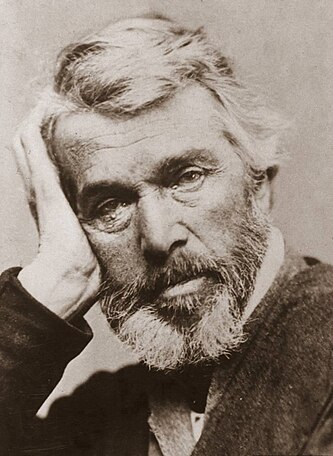
Carlyle senses the masses, as no other writer has ever done; he expressed their outlook against his own conscious convictions... In the French Revolution there is no fault or weakness at all; it is a book without peer.
— A. J. P. Taylor on Thomas Carlyle
What It Means
This is a placeholder explanation generated by the low-overhead model. It interprets "Carlyle senses the masses, as no other writer has ever done; he expressed their outlook against his own conscious convictions... In the French Revolution there is no fault or weakness at all; it is a book without peer." in the context of "A. J. P. Taylor, review of Carlyle: An Anthology, ed. G. M. Trevelyan in New Statesman and Nation (18 April 1953), pp. 459-460" to mean that wisdom is timeless.
Source: Wikiquote: "Thomas Carlyle" (Quotes about Carlyle, M–Z)
The 'What it means' explanation text was generated by Google Gemini Flash (accessed January 18, 2026). https://gemini.google.com/app
Tags

About A. J. P. Taylor
Alan John Percivale Taylor (25 March 1906 – 7 September 1990) was a British historian, journalist, broadcaster and scholar. His approachably written and sometimes contentiously revisionist studies of 19th and early 20th-century subjects brought academic history to a new audience.
View all quotes →